Sign up
 Login
Login
Is a Nursing Career Right For You?
Take The Free QuizHow to Apply to Nursing Programs: A Step-by-Step Guide?
How to Apply to Nursing Programs: A Step-by-Step Guide?
Applying for nursing programs is a crucial step toward entering the healthcare field, but the process can be confusing without proper guidance. Many students are unsure where to begin, what documents are required, or how many schools they should consider. This uncertainty often leads to delays or missed opportunities.
If you are exploring licensed practical nursing schools, understanding the application process early can help you stay confident and organized. This guide walks you through each stage in clear, simple language—so you know exactly what to expect, how to prepare, and how to submit strong applications without stress.
Key Takeaways
- Nursing program applications follow a structured and predictable process
- Early planning helps avoid missed deadlines and incomplete submissions
- Applying to multiple schools improves your chances of acceptance
- Accurate documentation is more important than rushing the process
- Researching programs carefully helps you choose the right fit
Applying for Nursing
When students begin applying for nursing, the first thing to understand is eligibility. Most nursing programs require a high school diploma or GED, a minimum GPA, and completion of basic science subjects such as biology or anatomy. Some programs may also ask for background checks, immunization records, or health screenings.
Researching requirements early is critical because every school is slightly different. Some programs place more weight on academic performance, while others look at consistency, motivation, and readiness for healthcare training. Creating a simple checklist for each school helps you track progress and ensures nothing is missed. This preparation shows professionalism and commitment—qualities nursing programs value highly.
How to Apply to Nursing Programs?
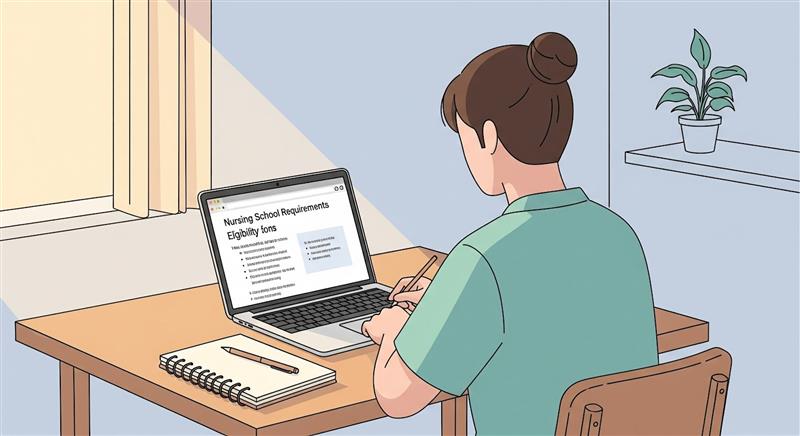
Understanding how to apply to nursing programs involves following a clear sequence. Start by gathering all required documents, such as transcripts, identification, prerequisite proof, and recommendation letters if needed. Completing these steps early prevents last-minute errors and delays.
Next, carefully fill out application forms, making sure names, dates, and details match official documents. Many students, while comparing options, look for LPN programs near me to evaluate location, class schedules, clinical training, and tuition. Choosing a nearby program can reduce travel stress and help maintain consistency during training.
Always submit applications before deadlines and save confirmation emails or receipts. Being organized at this stage reflects responsibility—an essential trait in nursing education and practice.
How Many Nursing Schools Should I Apply to?

Many applicants ask, How many nursing schools should I apply to. Applying to multiple programs is strongly recommended, as nursing seats are often limited and competition can be high. Most students apply to three to five schools to balance opportunity and effort.
Applying to more than one school gives you flexibility if one program has a waitlist or delayed admission cycle. However, it’s important to apply thoughtfully. Focus on programs where you meet the academic and admission requirements rather than applying randomly. This approach saves time, reduces stress, and increases the likelihood of acceptance.
Careful selection also helps you compare offers and choose the program that best fits your goals.
Application in Nursing
The application in nursing stage is where attention to detail matters most. Small mistakes—such as missing documents, incorrect information, or late submissions—can delay or even reject an application. Reviewing everything before submission is essential.
Some programs may include interviews, assessments, or orientation sessions. These steps help schools evaluate your commitment, communication skills, and readiness for healthcare training. Showing professionalism, punctuality, and honesty during this phase builds trust with admissions teams.
Staying responsive to emails and requests also demonstrates accountability. These habits not only help with acceptance but also prepare you for the responsibilities of nursing education.

Conclusion
Successfully applying for nursing programs requires preparation, research, and organization—but it does not have to be overwhelming. By understanding requirements, applying to multiple schools, and submitting accurate applications, you place yourself in a strong position for acceptance.
For students considering entry-level healthcare exposure, options like nursing assistant programs in Illinois can also provide valuable experience and confidence. With the right planning and mindset, your nursing education journey can begin smoothly and successfully.
Want to Make a Career in Nursing? Get More Information About Our Courses!
FAQs
1. When should I start applying to nursing programs?
You should begin at least 6 to 12 months before your intended start date. This allows enough time for prerequisites, document preparation, and meeting deadlines.
2. Is applying to multiple nursing schools a good idea?
Yes. Applying to several programs increases acceptance chances and gives you more options to choose from.
3. Do nursing programs accept students without healthcare experience?
Yes. Many programs welcome beginners and focus on academic readiness, motivation, and willingness to learn.
Most Popular Blogs Posts

LPN School for Working Adults: What…
October 15, 2026 Read More
How to Prepare for Nursing School…
October 14, 2026 Read More
How Practical Nursing Students Build Clinical…
October 14, 2026 Read More
What Is Capillary Refill? A Guide…
October 13, 2026 Read More